The pressure when your heart beats
The pressure between beats
This tool provides general information only and is not a substitute for medical advice. Always consult your doctor or healthcare provider.
Blood Pressure Categories at a Glance
| Category | Systolic (mmHg) | Diastolic (mmHg) |
|---|---|---|
| Normal | Less than 120 | Less than 80 |
| Elevated | 120 - 129 | Less than 80 |
| High Blood Pressure Stage 1 | 130 - 139 | 80 - 89 |
| High Blood Pressure Stage 2 | 140 or higher | 90 or higher |
| Hypertensive Crisis | Higher than 180 | Higher than 120 |
These ranges are based on guidelines from the American Heart Association (AHA) and the American College of Cardiology (ACC). They apply to adults aged 18 and over who are not taking blood pressure medication.
See the blood pressure chart for common readings and the category each one falls into.
🩺 Top-Rated Blood Pressure Monitors


Understanding Your Blood Pressure Reading
Blood pressure is measured using two numbers (systolic and diastolic) expressed as one figure over another, such as 120/80 mmHg. Understanding what these numbers mean is the first step to taking control of your cardiovascular health.
What is Systolic Blood Pressure?
The top number, systolic pressure, measures the force your heart exerts on the walls of your arteries each time it beats and pumps blood around your body. It is always the higher of the two numbers and is considered the primary indicator of cardiovascular risk in adults over 50.
What is Diastolic Blood Pressure?
The bottom number, diastolic pressure, measures the pressure in your arteries between heartbeats, when your heart is resting and refilling with blood. While less predictive of risk in older adults, diastolic pressure remains an important measure, particularly in younger people.
What Do the Numbers Mean Together?
A reading of 120/80 mmHg is read as "120 over 80." Blood pressure is classified into five categories based on these two numbers. If your systolic and diastolic readings fall into different categories, your overall classification is determined by whichever number places you in the higher category.
Why Does Blood Pressure Matter?
Blood pressure is one of the most important indicators of cardiovascular health. High blood pressure (known as hypertension) puts extra strain on your heart and blood vessels. Over time, unmanaged hypertension significantly increases the risk of heart attack, stroke, kidney disease, and other serious conditions.
What makes hypertension particularly dangerous is that it rarely causes noticeable symptoms. Most people with high blood pressure feel completely normal, which is why it is often called the "silent killer." Regular monitoring is the only reliable way to know where you stand.
What Each Blood Pressure Category Means
Normal Blood Pressure (below 120/80 mmHg)
A reading below 120/80 mmHg is considered normal and healthy. Your heart is not working under excessive pressure, and your risk of cardiovascular disease from blood pressure is low. The goal is to maintain this range through a healthy lifestyle.
Even within the normal range, lower is generally better, as long as you do not experience symptoms of low blood pressure such as dizziness or fainting. Some naturally fit individuals have readings below 100/60 without any health concerns.
Elevated Blood Pressure (120-129 / below 80 mmHg)
Elevated blood pressure is not yet hypertension, but it is a warning sign. Research shows that people with consistently elevated readings are at significantly higher risk of developing high blood pressure without lifestyle changes. This is the ideal stage to intervene (through diet, exercise, reduced salt intake, and managing stress) before medication becomes necessary.
High Blood Pressure Stage 1 (130-139 / 80-89 mmHg)
Stage 1 hypertension indicates your heart is working harder than it should. At this stage, your doctor will assess your overall cardiovascular risk and is likely to recommend lifestyle changes. Medication may be prescribed, particularly if you have other risk factors such as diabetes, a history of heart disease, or a strong family history of hypertension.
High Blood Pressure Stage 2 (140+ / 90+ mmHg)
Stage 2 hypertension is more serious and almost always requires a combination of lifestyle changes and medication. Sustained readings at this level place significant stress on the heart, arteries, and kidneys. If you consistently measure at or above this range, you should see your doctor promptly.
Hypertensive Crisis (above 180 / above 120 mmHg)
A hypertensive crisis is a medical emergency. Readings in this range require immediate attention. If your reading is above 180/120 and you are experiencing symptoms such as chest pain, shortness of breath, severe headache, vision changes, or numbness, call 911 immediately.
If you have no symptoms, rest for five minutes and retest. If the reading remains above 180/120, contact your doctor or go to an urgent care center immediately.
❤️ Supplements, Journals and Fitness Trackers

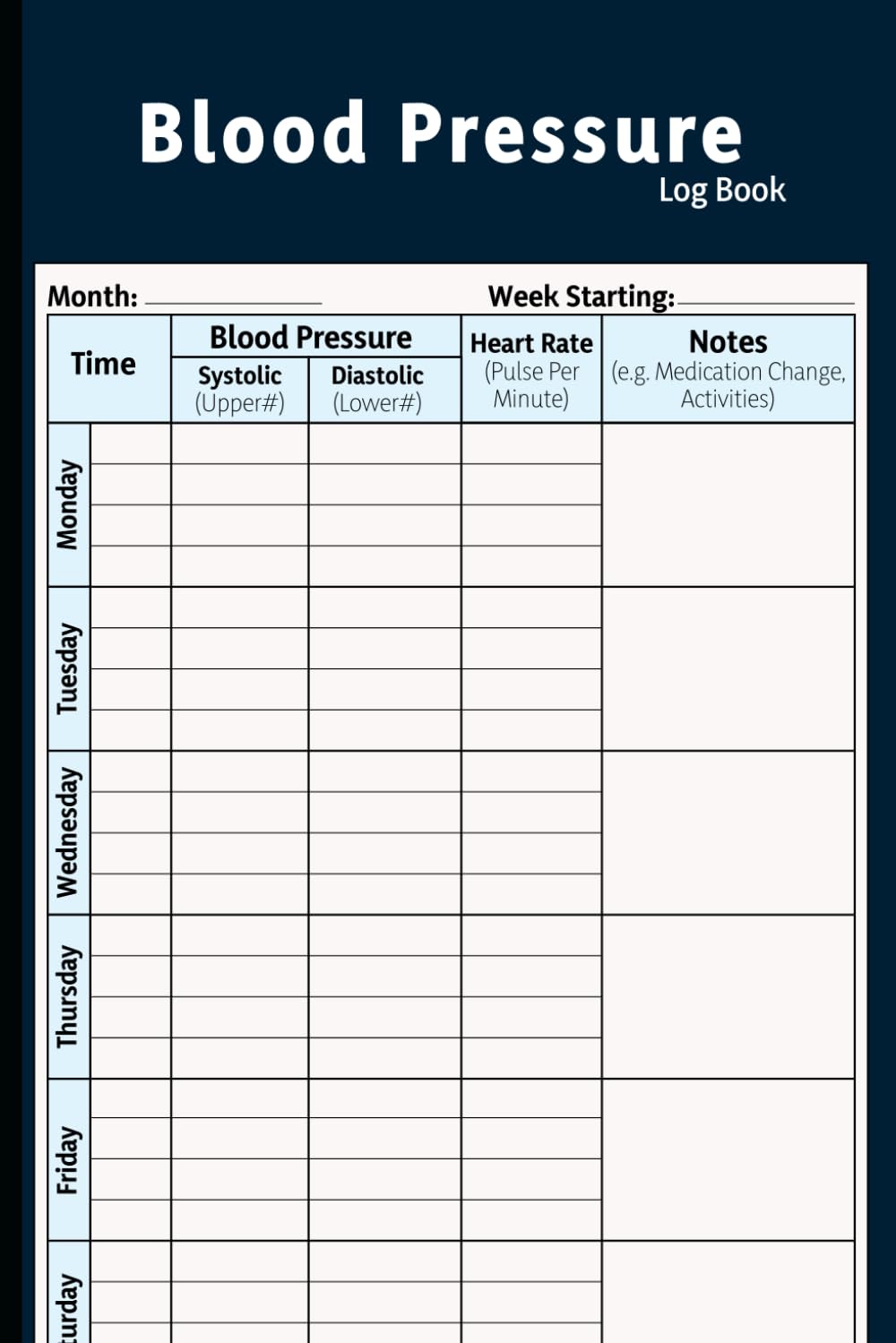

How to Measure Your Blood Pressure Accurately
An inaccurate measurement can lead to unnecessary anxiety or, more dangerously, a false sense of reassurance. Following the correct technique ensures your readings are reliable and meaningful.
Before You Measure
- Rest for at least 5 minutes before taking your reading, sitting quietly in a chair with your back supported
- Avoid caffeine, alcohol, and cigarettes for at least 30 minutes beforehand
- Empty your bladder: a full bladder can raise your reading by 10-15 mmHg
- Do not exercise for at least 30 minutes before measuring
- Remove tight clothing from the arm you will be using
During the Measurement
- Sit with your feet flat on the floor: do not cross your legs, as this can raise systolic pressure by up to 8 mmHg
- Support your arm at heart level, resting it on a table rather than holding it up
- Position the cuff correctly: the bottom edge should be about an inch above the crook of your elbow, and it should be snug but not tight
- Do not talk during the measurement
- Take two or three readings one minute apart and record the average
Upper Arm vs. Wrist Monitors
Upper arm monitors are generally considered more accurate and are recommended by most healthcare guidelines. Wrist monitors can be convenient but are more sensitive to position and movement, making them slightly less reliable for clinical purposes. Whichever you use, ensure it has been validated and that the cuff fits your arm correctly. An incorrectly sized cuff is one of the most common sources of error.
When to Measure
If you are monitoring your blood pressure at home, most guidelines recommend taking readings twice daily (once in the morning before medication and meals, and once in the evening) for at least a week. This gives a more accurate picture than a single reading taken at the doctor's office, where the stress of the environment can artificially raise readings (known as "white coat hypertension").
Understanding Natural Variation
Blood pressure is not static. It varies throughout the day, rising in the morning and dipping in the early hours of the night. It also responds to physical activity, emotional states, temperature, and even the position you are sitting in. A single high reading should never be taken as a definitive diagnosis. Context and consistency matter far more than any individual number.
Causes, Risk Factors & Lifestyle Changes
For the vast majority of people, high blood pressure has no single identifiable cause. This is known as primary (or essential) hypertension, and it develops gradually over many years. A smaller proportion of cases are caused by an underlying condition such as kidney disease or thyroid problems. This is called secondary hypertension.
Key Risk Factors for High Blood Pressure
- Age: Blood pressure tends to rise with age as arteries gradually stiffen and narrow
- Family history: Hypertension runs in families. If a close relative has it, your risk is higher
- Being overweight or obese: The more body mass you have, the more blood your heart must pump
- Physical inactivity: Sedentary lifestyles contribute to higher resting heart rates and blood pressure
- High salt intake: Excess sodium causes the body to retain fluid, increasing blood volume and pressure
- Alcohol consumption: Drinking more than the recommended limits raises blood pressure over time
- Smoking: Nicotine causes an immediate spike in blood pressure and damages arterial walls long-term
- Chronic stress: Ongoing high stress triggers hormones that temporarily raise blood pressure; chronic stress may contribute to sustained elevation
- Diabetes and kidney disease: Both are strongly associated with hypertension
Lifestyle Changes That Lower Blood Pressure
The good news is that lifestyle modifications can have a significant and measurable impact on blood pressure, often rivaling the effects of medication in mild to moderate cases.
Reduce Salt Intake
The American Heart Association recommends no more than 2,300mg of sodium per day (about one teaspoon of salt), and ideally moving toward 1,500mg for most adults. Cutting salt intake is one of the most effective dietary interventions. Much of our salt consumption comes from processed foods, bread, and restaurant meals rather than the salt we add ourselves. Reading labels and choosing low-sodium options makes a meaningful difference.
Follow the DASH Diet
The Dietary Approaches to Stop Hypertension (DASH) diet is one of the most evidence-backed dietary patterns for reducing blood pressure. It emphasizes fruits, vegetables, whole grains, lean protein, and low-fat dairy, while limiting saturated fat, red meat, and sugar. Studies show it can reduce systolic blood pressure by 8-14 mmHg.
Increase Physical Activity
Regular aerobic exercise (such as brisk walking, cycling, or swimming) for at least 150 minutes per week can reduce systolic blood pressure by 5-8 mmHg. Even modest increases in activity among sedentary people produce measurable improvements.
Limit Alcohol
Reducing alcohol to within recommended limits (no more than two drinks per day for men and one per day for women) can lower blood pressure meaningfully. Binge drinking in particular causes significant short-term spikes.
Quit Smoking
While smoking does not directly cause chronic hypertension in the same way as the factors above, it dramatically increases cardiovascular risk in people with high blood pressure and causes immediate, significant spikes with every cigarette.
Manage Stress
Chronic psychological stress activates the sympathetic nervous system, releasing adrenaline and cortisol that raise blood pressure. Techniques such as mindfulness, meditation, yoga, and adequate sleep have demonstrated modest but real reductions in blood pressure in clinical studies.
Maintain a Healthy Weight
Losing even 5-10% of body weight can produce meaningful reductions in blood pressure. The relationship between weight and blood pressure is dose-dependent: the more weight lost, the greater the reduction.


